
Written by Nitika Jindal.
Mental health struggles are a reality for millions across the globe, yet guilt often tags along as extra baggage. Persons suffering from anxiety, depression, trauma, or other mental disorders often harbour a sense of shame because they don’t feel “strong enough” or “functional enough.” Such guilt inflicts a severe blow to the healing process and puts a patient inside a vicious circle of self-blame and misery. Getting acquainted with ways of overcoming that guilt becomes an important factor in the individual’s healing and gradual mental sustainability.
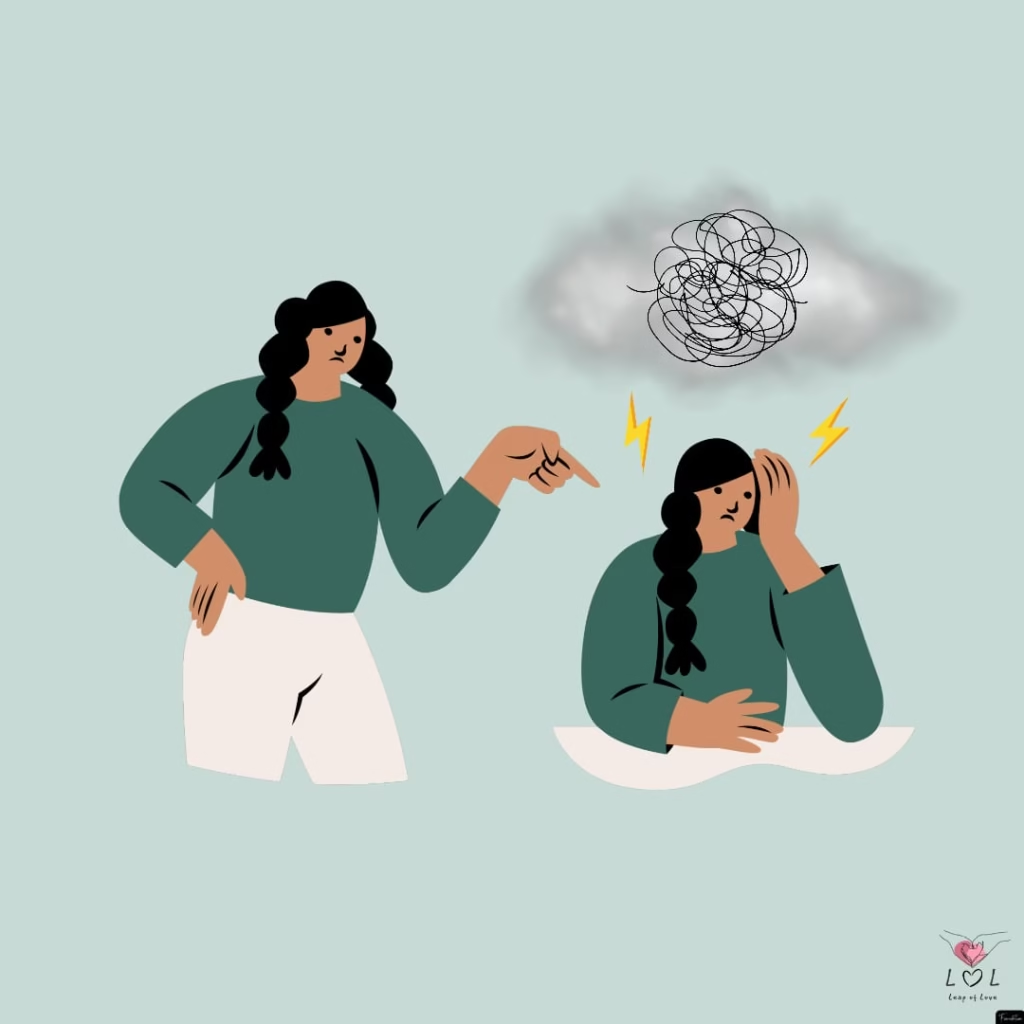
Understanding the Guilt Associated with Mental Health Struggles
Sources of mental health guilt are many, such as societal stigma, self-expectations, feelings of being burdensome to loved ones, etc. Among the common reasons for feeling guilty are:
- Weakness Perceived: Commonly, many think that having mental health issues somehow translates to weakness and a lack of resilience.
- Being a Burden: Most individuals feel that their struggles are creating a problem for their family, friends, or colleagues.
- The Comparison Trap: When one sees others seemingly able to cope with challenges and all is perceived as being well, there is a feeling of inadequacy.
- The Social and Cultural Expectation Factor: In many cultures, resilience and emotional toughness are upheld as values, making it difficult to ask for help.
- Guilt over Self-Care: People feel guilty for mentally putting themselves first just because they think they should be focusing on something else.
The Impact of Guilt on Mental Health
Guilt, if left unaddressed, can worsen mental health conditions by:
- Increasing stress and anxiety.
- Lowering self-esteem and self-worth.
- Leading to self-isolation.
- Creating barriers to seeking professional help.
- Reinforcing negative thought patterns.
Strategies to Overcome Mental Health Guilt
1. Acknowledge and Validate Your Feelings: Understanding that guilt is a normal but unnecessary response to mental health struggles is the first step in healing. Recognising that mental health conditions are real medical issues, not personal failings, can help in reducing guilt.
2. Challenge Negative Thoughts: Identify self-critical thoughts and replace them with realistic, compassionate perspectives. Cognitive Behavioural Therapy (CBT) techniques can be effective in restructuring guilt-inducing thought patterns.
3. Educate Yourself and Others: Learning about mental health can help dismantle stigma and reshape your perspective. Educating family and friends can also encourage a more supportive environment.
4. Practice Self-Compassion: Treat yourself with the same kindness and understanding that you would offer to a loved one facing similar struggles. Engage in self-care without guilt, knowing it is essential for well-being.
5. Set Realistic Expectations: Understand that healing takes time, and setbacks are part of the journey. Holding yourself to unrealistic standards can exacerbate guilt and hinder progress.
6. Seek Professional Help Without Shame: Therapy, counselling, or medication can be life-changing. Overcoming the stigma of seeking help is key to long-term mental wellness.
7. Engage in Support Groups: Speaking with others who have similar experiences can help normalise feelings and reduce isolation. Peer support groups provide encouragement and validation.
8. Practice Mindfulness and Meditation: Mindfulness techniques help in grounding oneself in the present and reducing negative self-talk. Meditation can promote emotional balance and acceptance.
9. Redefine Strength: Recognise that strength is not about suppressing emotions but about facing and working through them. True resilience is built through self-awareness and healing.
10. Forgive Yourself and Let Go of the Past: Holding onto past struggles or mistakes only prolongs guilt. Accept your journey, learn from it, and move forward with self-acceptance.
How Others Can Help Someone Facing Mental Health Struggles
Supporting a loved one through mental health challenges requires patience, empathy, and understanding. Here’s how you can help:
What to Do:
- Listen Without Judging: Let them express their feelings without interrupting or offering unsolicited advice.
- Validate Their Feelings: Acknowledge their struggles and reassure them that their feelings are valid.
- Encourage Professional Help: Gently suggest seeking therapy or counselling, but avoid pressuring them.
- Offer Practical Support: Help with everyday tasks if they’re struggling, such as cooking or running errands.
- Respect Their Boundaries: Give them space when they need it, but remain available for support.
- Educate Yourself: Learn about their condition to better understand what they’re going through.
What to Avoid:
- Minimising Their Struggles: Avoid saying things like “It’s just in your head” or “Others have it worse.”
- Forcing Positivity: While optimism is good, phrases like “Just think positively” can be dismissive.
- Blaming or Criticising: Avoid suggesting they are at fault for their mental health struggles.
- Pressuring Them to “Get Over It”: Healing takes time; urging quick recovery can make them feel worse.
- Making It About Yourself: While you may relate to their struggles, focus on listening rather than sharing personal anecdotes.
Conclusion
Overcoming the guilt associated with mental health struggles is a crucial step toward healing. By challenging negative beliefs, seeking support, and practising self-compassion, individuals can break free from the cycle of guilt and embrace a healthier mindset. Mental health is just as important as physical health, and no one should feel guilty for prioritising their well-being. Healing is possible, and it begins from within.
Equally important is the role of family, friends, and loved ones in providing a supportive environment. Through patience, empathy, and understanding, they can help those struggling feel valued and less alone in their journey toward healing.

Check out our website: https://leapoflove.org
Want to read more useful blogs? Check out: https://leapoflove.org/leap-of-love-blogs/